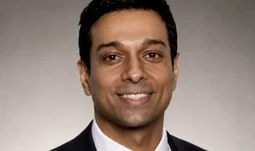
Morning Coffee: Vis Raghavan says that he doesn’t want to be Citi CEO. PIMCO’s big bank warning

Among the worst nightmare interview questions for a senior banker is the one where you get asked “where do you see yourself in five years’ time?” by someone of a level immediately above the post you’re being recruited to. If you don’t answer “actually, I see myself in your job” then you might appear to be lacking in ambition. But obviously, if you do, then you might be seen as a threat.
Get Morning Coffee ☕ in your inbox. Sign up here.
According to “associates” and “people who spoke” with them, all of the big-name hires that Jane Fraser has brought in to Citigroup over the last year have taken the less aggressive option. Andy Sieg in the wealth management division apparently “finds it a distraction” and is “focused on his current role”. Tim Ryan, who came in from PwC to run tech and transformation, turned the denials up a notch by saying that his ambition was to work for Fraser rather than replace her. And despite the speculation having started almost the moment his hiring was announced in February, investment banking head Vis Raghavan has apparently told Fraser that he is “not interested in her job”, although he will be an executive vice-chair reporting directly to her.
Denials of this sort are to be expected. There is simply no point in announcing that you’re in the running for a job that isn’t even open, and which won’t be for quite some time. Jane Fraser is only 56 years old, and has the confidence of the board for her restructuring plan. So any “heir apparent” would only be put into that role as insurance against a Black Swan event. And as Dan Pinto at JPMorgan knows, being the “safe pair of hands, just in case” candidate doesn’t mean that you will be at the front of the line when succession planning starts to become a serious priority.
Citi is doing its best to discourage speculation, for fairly obvious reasons – when you hire that many senior people, that quickly, it is bound to be a bit destabilizing for the incumbent executives. Andy Sieg’s wealth management division has had a lot of turnover since his arrival, and everyone expects the investment bank to see something similar under Raghavan. To a certain extent, “out with the old and in with the new” is an intentional part of Jane Fraser’s strategy, but there are plenty of long-term Citi insiders, like Shahmir Khaliq, that the bank really can’t afford to lose, and who might be reasonably concerned if their own chances at the top job had been curtailed.
But once more – Jane Fraser is 56 years old and has the confidence of the board. By the time succession becomes a live issue, even the hires of 2023/24 will have been around for long enough to be effectively considered “inside candidates”. It’s quite possible that the real “next Citi CEO” is somebody that nobody has even considered so far.
Elsewhere, there are some financial crises that seem to happen in slow motion – everyone knows that something is wrong and bad consequences are likely, but the pace at which those consequences develop is leisurely enough for the markets to get bored and forget about it. For example, although everyone knows that a combination of high debt levels, rising interest rates and changing post-pandemic working and shopping practices is extremely bad for the commercial real estate market, this has been so well-known for so long that it’s hard to get excited.
According to John Murray of PIMCO’s alternative assets team, crises of this kind happen, like Ernest Hemingway’s divorce, “gradually, then suddenly”, and we might be moving into the second phase. He says that lots of regional banks have commercial real estate assets on their balance sheet, that they have been selling the good stuff in order to avoid realising losses on the bad stuff, and this strategy is running out of road.
If he’s right, then it could get choppy; not just for US regional banks, but for market and liquidity conditions in general. These are the sorts of conditions in which reputations and careers are made and lost; people like Gary Stevenson were able to generate huge profits simply by concentrating on the big picture rather than getting distracted by the everyday volatility.
Meanwhile …
“It can be challenging to hire a trader every time you want to do something new”, according to one quant fund manager. Consequently, although they still argue strongly that you can’t really replace the skill and flexibility of a dedicated team executing a trading strategy, they are increasingly willing to buy the “replicating” structured notes issued by banks, when they want to get quick and dirty exposure to a particular quantitative factor, or when a credit fund wants some equity risk. Everyone seems to think it will all end in tears, but it’s just so convenient compared to hiring in today’s multi-strategy market. (Bloomberg)
The obvious answer would be “get new friends”, but if that’s not an option for one reason or another, here’s a quick guide to sensible answers you can give when someone at a dinner party asks you your opinions about central bank reserve requirements. (FT Alphaville)
Climate activists are planning a “summer of heat on Wall Street”, kicking off the festivities with a protest in front of the Citi headquarters. Another potential reason to spend as much time as possible remote working from the Hamptons? (NY Post)
For the first time in a long time, the London market has seen a successful IPO! Raspberry Pi, the educational computing company, saw a 43% pop at the open. Bragging rights are claimed by Peel Hunt and Jefferies, presumably with some other large banks which have been hiring in the market keen to follow on with their own deals. (Bloomberg)
People (including, apparently, quite a lot of bankers) are hiring gig workers in the Phillippines to phone round pharmacies in the USA, to try to get their supply of Adderall in a shortage. (404 Media)
Goldman Sachs EMEA DCM has promoted Jans Meckel, Matthew Straughen, Edoardo Ravà, Trent Wilkins and Yakut Seyhanli into new head or co-head roles. (Financial News)
Have a confidential story, tip, or comment you’d like to share? Contact: +44 7537 182250 (SMS, Whatsapp or voicemail). Telegram: @SarahButcher. Click here to fill in our anonymous form, or email editortips@efinancialcareers.com. Signal also available.
Bear with us if you leave a comment at the bottom of this article: all our comments are moderated by human beings. Sometimes these humans might be asleep, or away from their desks, so it may take a while for your comment to appear. Eventually it will – unless it’s offensive or libelous (in which case it won’t.)