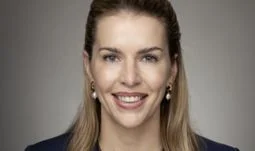
Kelly’s quota is a sign that banks are serious about senior-level gender diversity

Westpac chief executive Gail Kelly’s push to boost the number of women in senior management roles will be music to the ears of HR professionals at financial institutions. The 16 HR people who attended the recent eFinancialCareers roundtable in Melbourne agreed that policies to redress the senior-level shortage of women in finance must be instigated by industry leaders like Kelly.
Announcing the bank’s annual results last week, Kelly said that Westpac had already hit its 2014 target of women making up 40 per cent of management positions. The goal for 2017 is 50 per cent.
This is the kind of quantifiable statement that gives the required clout to gender diversity, an issue that may otherwise slip down the corporate agenda or just be paid lip service to.
“HR and recruitment teams are the final point for diversity, not the ones driving it," said one roundtable attendee, all of whom asked not to be named in this report. "The message must come from board level if it is to really affect company policy.”
Several delegates pointed out that executives at their banks had openly supported efforts to improve the gender balance in senior positions. A representative of a Big Four bank said his firm had a 35 per cent female-leadership target. “HR, too, needs to actively promote/support this, not just ‘get through it’ as an obligation.”
Although large employers continue to run educational and recruitment events for young women at schools and universities, entry-level gender diversity is not their most critical challenge. “We’ve basically sorted those problems out – now it’s about getting women into senior positions. Promotion and tenure are key,” said an HR person from an accounting firm.
Here’s how they do it
Family responsibilities are one widely-acknowledged reason why some women leave the finance industry as they rise up the ranks. But while flexible working can be a tool to retain middle managers, employers have traditionally been more reluctant to offer it to senior staff.
There are signs that this may be changing. One roundtable attendee, for example, said his accounting firm had recently reformed its policy. “We’ve become more flexible in order to build more female leaders. We even have a partner who works four days a week and received her promotion while still on maternity leave.”
Flexible working isn’t the only strategy to promote managerial gender diversity. HR professionals often educate hiring managers to remove “unconscious bias” in recruitment – ensuring, for example, that there’s always at least one woman on interview panels. “Males still predominate in senior roles, so they often don’t naturally and proactively look to promote women into their ranks,” explained an attendee.
Problems remain
Most large firms also encourage women to take part in leadership programmes. “But these often require overseas postings,” said a representative from a Big Four bank. “As a result, many women, especially those with a family or planning one, don’t put themselves forward.”
Another attended added: “One problem with female leadership is that other female staff see this as a ‘women’s club’ from which they feel excluded. We have to avoid the appearance that we are just recycling the same senior talent.”
Even flexible working can have its downsides, as a delegate from an accounting firm pointed out: “Women are much more active in applying for flexi working, creating the appearance that it’s a gender-specific programme. The feedback we get is that males need to be more included.”
Her counterpart at a regional Australian bank agreed: “Not a single man has asked me about flex working – it’s not the social norm.”