A guide to roles at Goldman Sachs

Despite various graduate guides for careers in banking (including our own), very specific breakdowns of day-to-day duties within various job roles can be hard to come by.
Goldman Sachs has just produced a new report into its business standards and contained within this 67-page tome is a guide to the specific roles within the bank, and what the activities and responsibilities are.
We've set them out below, together with a jargon buster where appropriate:
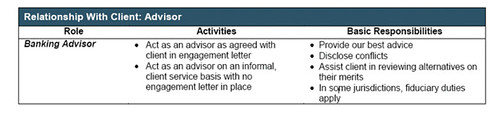
Jargon buster: Fiduciary duties: This means that you're the bank's representative working on behalf of a client, but that the client is trusting you to work in their best interests. You essentially have a duty of care. It's important to differentiate this from the term 'market maker', where a bank or trader buys and sells instruments on the client's behalf. But, if you're a simple market maker, you have no responsibility to do what's best for the client. You simply offer a price and let the client make the investment decision.

Jargon buster: 'Discretionary basis': An investor agrees to allow the bank to make investment decisions on his behalf, based on a pre-existing agreement. This usually involves taking an 'active' approach - deal-by-deal, rather than tracking an index.

Jargon buster: Best execution: This basically ensures you're taking responsibility for ensuring the client gets the best deal during their order process. This can include price, speed, costs, execution and settlement, size and nature of the trade and any other relevant factors.

Jargon buster: Suitability requirements: Every jurisdiction will have various, often complex, 'suitability requirements', which essentially means taking formal steps to ensure your client was adequately informed before taking an investment decision. This can include suitable advice, due diligence (investigating factors that could influence a deal, such as a company's financial records or revenue projections) or even training if necessary.
'Generally make secondary trading market': The secondary market is where stocks, bonds and derivatives previously issued by companies or governments, are sold and sold again to new buyers.' Market making' on the secondary market means matching up these buyers with sellers. This is what the bank's salespeople and traders do. As part of the process of market making, the bank will often own a product itself - briefly - while it tries to find someone to sell it on to.