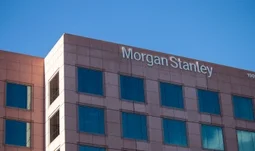
Bear Stearns

What is it?
It is was a US investment bank. But in March 2008 it was sold to rival firm JPMorgan for $2 a share (although this was later raised to $10 a share) after two of its hedge funds failed and it lost a fortune on asset backed securities related to US sub-prime mortgages.
How much did it lose? Well, in the three months to November 2007 Bear Stearns had writedowns of $1.9bn against an equity base of just $12bn.
When it came, the end was swift. Before it was bought up in an emergency rescue by JPMorgan , Bear's shares dropped more than 50% in one day as investors started to bet that it didn't have enough cash to meet its commitments.
Bear Stearns suffered from a liquidity crisis. It later emerged that it had $102bn of short-term loans which it needed to renew almost daily - and no one was going to lend to it when it looked like it might be on the brink of collapse.
Banks that had lent Bear Stearns money in the form of overnight loans refused to lend it any more, at the same time demanding that all the other money they'd lent Bear already be paid back. Investors pulled a huge $10.4bn of cash and other highly liquid assets out of the bank in a single day in March. Several big firms, including Goldman Sachs & Co., Citadel Investment Group and Paulson & Co. cut their exposure to Bear Stearns in the weeks leading up to its demise.
What's it got to do with the financial crisis
Bear Stearns was the first really big bank to go wrong. The Federal Reserve stepped in to save it because it feared that if Bear went under it would jeopardise the entire financial system.
In particular, the bank was a significant player in the multi-trillion dollar credit default swap market, ranking as the 12th biggest name involved in 2006, according to Fitch Ratings. If Bear Stearns had been unable to fulfill its obligations to all the other banks it traded with, the entire financial system could have gone kaput.
The Fed rescued Bear Stearns by initially allowing it to borrow money from the discount window via JPMorgan. At that point, pure investment banks like Bear weren't allowed to borrow from the window, but commercial banks like JPMorgan were. The weekend that Bear was sold, the Fed created the primary dealer credit facility, which became a popular option for investment banks hoping to access the discount window for cheaper financing. As a result, Bear's fall helped other banks forestall economic disaster for several months until Lehman's bankruptcy in September 2008.
Last updated on 7 September 2009.